


Why Going Truly Data-Only Changes Your Connectivity Game
Unlimited eSIM Data Plans That Finally Deliver True Freedom
An eSIM with unlimited data is a digital SIM card embedded in your device that gives you unrestricted internet access without needing a physical plastic card. You can activate it instantly by scanning a QR code or using an app, which then connects your phone to a local network for seamless browsing, streaming, and social media. This means you avoid roaming fees and Wi-Fi hunting, offering true freedom to stay online anywhere global coverage is supported.
Why Going Truly Data-Only Changes Your Connectivity Game
Going truly data-only with an eSIM unlimited data plan fundamentally rewrites your connectivity rules. You shed the artificial ceiling of finite gigabytes, meaning your phone becomes a persistent, always-on utility rather than a metered resource. This eliminates the constant anxiety of monitoring usage or hunting for Wi-Fi, because your data connection is effectively infinite. Consequently, every app—from real-time navigation to cloud backups and HD video calls—operates without compromise or throttling anxiety. The game changes because you stop treating mobile data as a precious commodity to be conserved; it becomes the single, dominant channel for all communication, rendering traditional voice/SMS redundant. Your connectivity is no longer a series of tactical refills but a permanent, seamless state.
The hidden costs you escape by ditching physical SIM cards
Ditching physical SIM cards eliminates the recurring trap of unexpected roaming surcharges. You escape per-day fees that activate the moment you cross a border, which often exceed the cost of a local data plan. The hidden cost of purchasing, shipping, and replacing a damaged nano-SIM also vanishes entirely. No more paying for express delivery of a replacement card when your current one fails mid-trip. Physical SIM inventory fees, embedded in postpaid billing that penalizes frequent travel, also disappear. With eSIM unlimited data, you only pay for the data you use, not the plastic, logistics, or administrative overhead required to manage a physical card.
By removing the physical card, you escape roaming fees, replacement costs, shipping charges, and hidden carrier administrative fees tied to SIM inventory management.
How unlimited throughput simplifies travel and remote work
Unlimited throughput eliminates the anxiety of buffer wheels and data rationing during your travels. You can seamlessly board a video call from a Finnish café, upload a heavy design file from a Thai co-working space, or stream a conference keynote from a Moroccan riad—all without pausing to check a usage meter. This true speed consistency across borders transforms remote work into a genuinely location-independent experience. The process becomes simple: connect to your eSIM upon landing, route all professional communication through your hotspot, and maintain full productivity without hunting for café Wi-Fi. Your workflow stays uninterrupted, whether collaborating on large documents or handling real-time cloud backups.
- Land and activate your eSIM for instant, full-speed connectivity.
- Connect your laptop for professional tasks like video calls and file transfers.
- Work from any location without throttling or data caps influencing your schedule.
Comparing Global Providers Without Hidden Throttling
When comparing global providers for eSIM unlimited data, the critical differentiator is whether “unlimited” truly means unlimited. Hidden throttling often strikes after a soft cap, like 5GB of high-speed data per day. For example, Holafly offers truly unlimited data with no speed reduction in popular destinations, while Airalo’s “unlimited” plans frequently cap speeds after 1GB daily. So, how can you verify a provider’s policy? Look for explicit “no throttling” guarantees and user reports on real-world speeds before purchase. Always check the fine print for “fair usage” clauses that hide the trigger.
Evaluating fair usage policies in so-called unlimited plans
When evaluating so-called unlimited eSIM plans, you must scrutinize the fine print for hidden throttling thresholds disguised as fair usage policies. Many providers cap high-speed data after a set gigabyte limit, then drop you to 2G speeds that make streaming or mapping impossible. Always check if your intended usage—like frequent video calls—triggers these slowdowns. A plan labeled “unlimited” can still become unusable after you exceed a daily or weekly soft cap. Compare the actual high-speed data allowance before any slowdown kicks in; this figure, not the “unlimited” label, defines the plan’s real value.
Always confirm the exact high-speed data limit triggering the fair usage policy, as that single number determines whether a plan genuinely delivers unlimited usable data.
Who offers the most reliable speeds across continents

For users prioritizing reliable speeds across continents, Airalo and Holafly lead with distinct strengths. Airalo consistently delivers stable 4G/5G connections in Europe and Asia via local partner networks, but speeds in Africa and South America can drop. Holafly offers unlimited data without throttling in the Americas and Europe, yet its speeds sometimes lag in Oceania. Regional specialists like Yesim provide superior latency in the Middle East. The most practical choice depends on your specific travel corridor: Airalo for Eurasian consistency, Holafly for transatlantic trips, and Yesim for Middle Eastern reliability.
Coverage Hotspots and Dead Zones You Should Watch For
You’re hiking the Pacific Crest Trail, relying on esim unlimited data for navigation, when the lush forest suddenly swallows your signal—a dead zone carved by dense canopy. In contrast, the exposed ridge above the treeline turns into a coverage hotspot, where your connection roars back to life. Just because the map shows blanket coverage doesn’t mean the terrain won’t rewrite it. Another dead zone lurks in concrete canyons of old mining towns, where thick walls block the signal, while the summit of a remote peak becomes your only hotspot to stream a wildfire update. Your unlimited data is useless inside those shadows.
Mapping network strength in urban vs. rural regions
Mapping network strength for eSIM unlimited data reveals stark contrasts. Urban centers show dense, overlapping coverage, but skyscrapers and tunnels create localized dead zones. Rural regions offer broader but weaker signals, often relying on a single tower without redundancy. Use coverage maps from your eSIM provider, then cross-reference with crowd-sourced apps like OpenSignal to verify. Cellular signal heatmaps for your route can predict buffering in rural valleys. Q: How do I map urban versus rural weak spots? A: Check the provider’s map for marked gaps, then filter by “3G/4G/5G” layers; rural dead zones are most common at 15+ km from towers.
Why some carriers prioritize certain countries over others
Carriers prioritize certain countries for eSIM unlimited data based on existing network infrastructure partnerships and direct peering agreements. In heavily visited tourist or business hubs like Japan or Germany, they secure bulk capacity at lower wholesale rates, enabling true unlimited passes. Conversely, nations with limited local backbone connectivity or high per-GB transit costs, such as Myanmar or Venezuela, are deprioritized; carriers restrict unlimited data there to avoid unsustainable roaming expenses. App coverage maps reflect this: premium, uncapped speeds appear in priority zones, while slower throttled rates apply elsewhere.
- Strong existing roaming agreements in major destinations reduce carrier costs.
- Limited local infrastructure in smaller nations forces data caps to control overhead.
- Consumer demand volumes in a country dictate where carriers allocate unlimited bandwidth.
- Regulatory or operational friction in certain regions leads to deprioritization for unlimited plans.
Device Compatibility: Not All Phones Play Nice
Your phone must be eSIM-compatible and unlocked to access unlimited data plans from providers like Airalo or Holafly. Many older models, budget devices, and carrier-locked phones simply cannot recognize an eSIM profile, leaving you without service. Even compatible iPhones and Pixels can struggle if they aren’t updated to the latest firmware. An Android phone purchased in China or Japan might lack the necessary eSIM firmware entirely, despite being compatible on paper. Always confirm IMEI compatibility on the provider’s site before buying, or risk paying for unlimited data you cannot actually use.
Checking eSIM support before you commit to a plan

Before you grab that tempting unlimited data deal, verify your phone’s eSIM compatibility first. Many older handsets, especially from outside the U.S. market, lack the necessary hardware, while carrier-locked devices often block new eSIM profiles. Head to your phone’s settings under “About Phone” or “Cellular” to check for an “Add eSIM” option—if it’s missing, the plan won’t work. A quick Google search with your exact model number can save you from buying a non-refundable plan for a device that simply won’t accept it. Always double-check before hitting “purchase.”
Older models and locked devices—workarounds that actually work
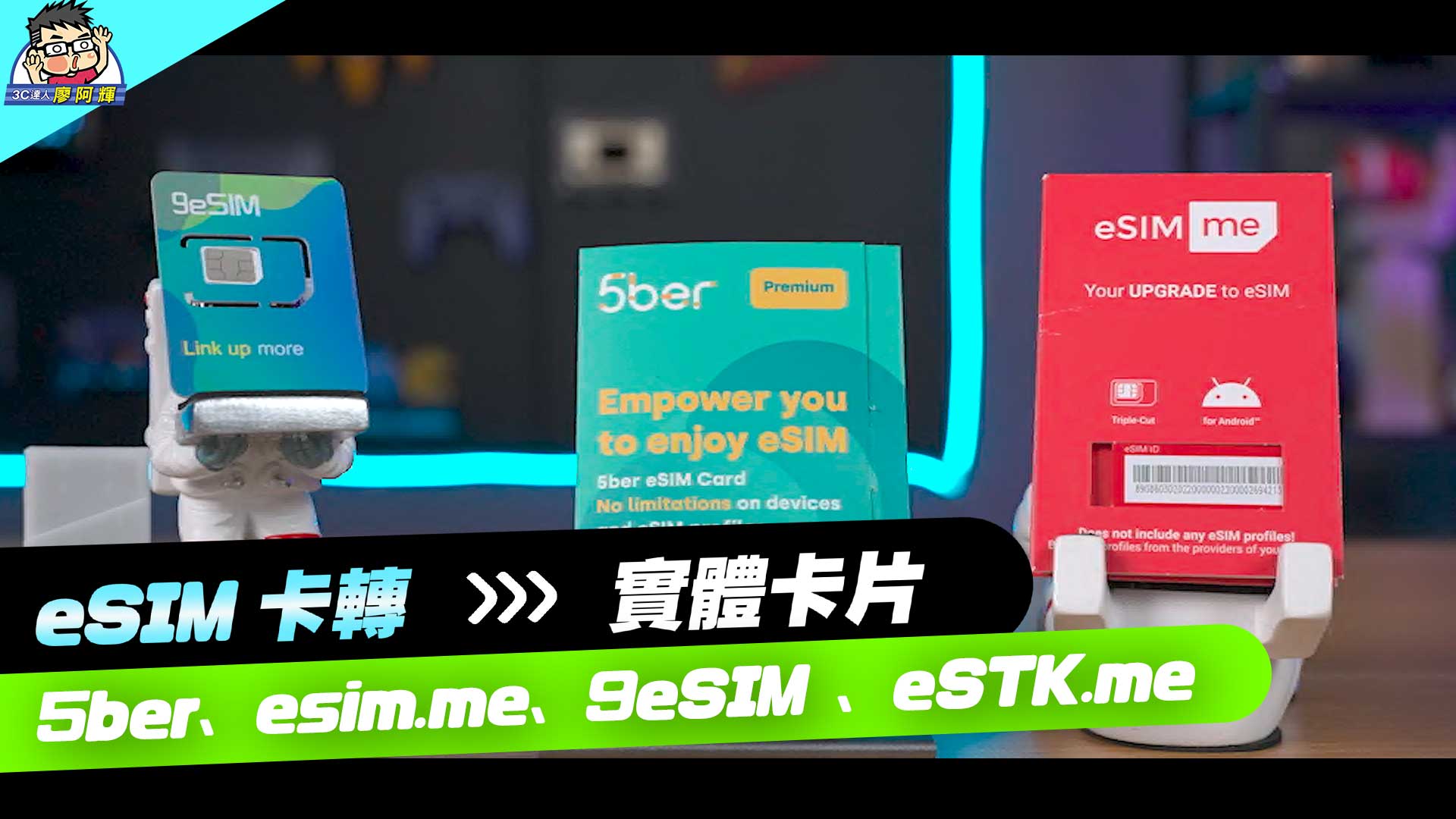
For older phones lacking native eSIM or devices locked to a carrier, you’re not stuck. The most reliable workaround is using a physical eSIM adapter card, like the eSIM.me or 5ber, which tricks your phone into reading an eSIM profile as a standard SIM. Alternatively, carriers like Airalo offer “companion apps” that generate a QR code for locked phones, though success varies. Temporary tethering from a secondary eSIM-enabled device bridging the data also works.
- Insert a physical eSIM adapter into older models to bypass hardware limits.
- Use carrier-specific apps to install eSIM profiles directly on locked devices via QR code.
- Share unlimited data by tethering from a cheap, eSIM-compatible secondary phone.
Managing Your Data Consumption Like a Pro
With an eSIM’s unlimited data, managing your consumption like a pro means ditching the anxiety about hitting a cap. You can still set your own speed limits, though—throttle background app refreshes and disable automatic video streaming in HD, saving battery and preventing unexpected slowdowns from carrier fair-use policies. Use your device’s data tracker to pinpoint which apps gulp the most bandwidth, then restrict them when you’re tethering or in a crowded area. Schedule high-download tasks—like podcast batches or app updates—for when you’re on Wi-Fi, preserving your unlimited plan’s peak speed for moments you actually need it. A pro trick is to enable low-data mode only for streaming services, letting everything else run freely. This way, you enjoy true unlimited freedom without ever feeling throttled.
Tools to monitor usage without sacrificing speed
For eSIM unlimited data, effective real-time usage dashboards let you track consumption without throttling your connection. Tools like native eSIM provider apps or lightweight operating system widgets parse data packets directly, avoiding speed-sapping background synchronization. They display live graphs and session limits with zero latency. Prioritize apps that use minimal CPU overhead, such as simple traffic monitors without animations or ads. A robust tracker should immediately flag high-bandwidth applications without interrupting your stream or download—keeping your unlimited access genuinely fast.
- Built-in phone eSIM settings (iOS/Android) for instant gigabyte counts without third-party latency.
- Lightweight apps like “NetGuard” or “GlassWire” (lite mode) that track per-app usage without constant cloud sync.
- Bypass browser-based trackers; always use offline-cached monitoring to prevent speed drops from active polling.
Tips for streaming and tethering without hitting caps
To stream and tether without hitting caps, first reduce video quality to 720p in apps like YouTube or Netflix, as 4K consumes 7GB per hour versus 0.9GB for HD. For tethering, enable data saver mode on your tethered device and limit background app refreshes. Use adaptive streaming profiles and schedule large downloads for off-peak hours.
Q: How can I prioritize essential data when tethering?
A: Set your eSIM’s hotspot to meter traffic, blocking non-critical apps like automatic OS updates, and manually pause cloud backups during streams.
Pricing Structures That Hide Surprises
The allure of eSIM unlimited data often masks deceptive pricing structures that trigger surprise charges. Many providers advertise a flat rate but embed a “fair use” cap hidden in fine print, throttling your speed to near-zero after a minimal threshold, effectively leaving you with unusable service unless you pay a sudden premium for a “turbo” add-on. Others use tiered “unlimited” plans where the true cost only emerges if you select high-speed roaming, revealing a shockingly expensive per-GB rate only after activation. A key insight to outmaneuver this:
Always search for the ‘strict minimum speed’ guaranteed after data depletion; if it’s not promised, the “unlimited” price is simply bait for a hidden upsell.
Verify China eSIM the total cost includes any “setup” or “activation” fees that vanish only after purchase.
Monthly passes vs. pay-as-you-go for heavy users
For heavy users, monthly passes often present lower per-gigabyte costs than pay-as-you-go, but they embed a risk: you pre-pay for a full billing cycle, and if your usage unexpectedly dips, you cannot reclaim that cost. Pay-as-you-go, while seemingly expensive per GB, allows you to stop spending the moment your need ends. The hidden surprise in monthly passes is the automatic renewal; a heavy user who finishes a trip early or hits a soft throttle cap still pays for the next month. In contrast, pay-as-you-go avoids that lock-in, letting you pause instantly.
Q: For a heavy user traveling 20 days, which is safer to avoid surprise costs? A: Pay-as-you-go is safer, because you only pay for data actually consumed, whereas a monthly pass would bill for a full 30-day cycle even if you use only 20 days of it.
What to look for in terms of renewal and cancellation fees
When checking renewal fees for an eSIM unlimited data plan, watch for the post-discount price spike after the first month. Many providers lure you in with a low introductory rate, then quietly double the cost on auto-renewal. For cancellation fees, look specifically for a no-questions-asked refund window—if you cancel before your first 14 days, you shouldn’t owe anything. Some plans charge a “reactivation” or “admin” fee if you stop mid-cycle, so always confirm whether you can pause or end the service without penalty.
Security and Privacy Considerations for Always-On Connections
An always-on eSIM unlimited data connection creates persistent exposure. Your device’s eSIM profile is remotely provisioned, meaning network authentication credentials are transmitted over the air; ensure you only activate profiles via trusted, official apps or QR codes to avoid man-in-the-middle attacks. Because the connection never drops, your public IP address remains static longer, increasing your tracking surface. Use a VPN to encrypt traffic and hide your real IP, especially on unlimited plans that often route through shared gateways. Additionally, an always-on link provides a continuous vector for remote device management; disable unnecessary remote configuration features on your eSIM management interface to prevent unauthorized profile swaps or data exfiltration. Finally, always verify the remote SIM provisioning provider’s encryption standards—at least TLS 1.3—to secure the initial activation and subsequent OTA updates.
How encrypted profiles differ from physical SIMs
With an eSIM for unlimited data, your carrier profile is a digitally encrypted file, not a removable chip. Unlike a physical SIM that anyone can pluck from your phone to access your line, an encrypted profile stays locked to your device’s secure element. This makes remote wiping or re-provisioning a breeze if your phone is lost. Physical SIMs require you to hunt for a paperclip to eject the tray, and even then, the card itself remains vulnerable. Here’s the practical difference: remote profile management is a key security upgrade.
- A lost phone means you can instantly delete the eSIM profile from the carrier’s server, cutting off data access.
- A stolen physical SIM can be used in any unlocked phone until you block the number via a call.
The encrypted nature of the eSIM also prevents cloning attempts that are technically possible with physical SIMs.
Risks of public Wi-Fi alternatives and internal protections
Relying on public Wi-Fi exposes your device to man-in-the-middle attacks and credential harvesting, which your eSIM unlimited data plan inherently bypasses. To secure the connection, first, enable your device’s firewall to block unauthorized inbound traffic. Next, activate a VPN through your eSIM data to encrypt all transmitted packets, preventing packet sniffing on any rogue hotspot. Finally, disable Wi-Fi auto-join and actively verify the network name. Public Wi-Fi alternatives like your eSIM connection eliminate these vulnerabilities, but internal device protections remain critical against residual risks from compromised apps or DNS spoofing. Always keep system patches current.
Real-World User Experiences: What the reviews don’t tell you
Reviews rarely expose that “unlimited” eSIM data plans often throttle speeds drastically after a certain threshold, typically hidden in the fine print. Your 4K streaming becomes unreliable buffering, and video calls glitch out, leaving you frustrated. The real question isn’t if you’ll hit the cap, but how aggressive the slowdown will be. Many users report that during peak hours, even basic web browsing feels sluggish, contradicting the advertised “unlimited” promise. Users ask: Why does my unlimited eSIM fail exactly when I need navigation in a foreign city? The answer lies in de-prioritization, where local users and post-paid accounts get network preference, leaving your “unlimited” data crawling while congestion hits. Practical experience shows you must vet providers for actual speed caps, not just data volume.
Common complaints about activation lag and customer support
A recurring gripe among users of unlimited eSIM data is activation lag and delayed support. Many report that after purchasing a plan, the profile fails to push through for hours, leaving them without data while traveling. Others describe frustrating waits on live chat, only to receive generic, scripted replies that ignore the specific device or region. The disconnect is often that providers focus on selling speed, but skimp on the actual onboarding process, making the “unlimited” promise feel hollow from the start. Q: Why does activation lag so often ruin the first day? A: Many providers overload their provisioning servers during peak seasons or bundle promotions, and their support teams cannot escalate individual cases quickly, forcing users into a gamble on connectivity.
Success stories from digital nomads and frequent flyers
For digital nomads like Sarah, who edits videos from Bali coffee shops, an eSIM with unlimited data eliminated the frantic search for Wi-Fi passwords. Frequent flyer Mark credits his eSIM for seamless Zoom calls during a chaotic three-day layover in Singapore, never needing a local SIM. One nomad reported earning a major freelance contract because their unlimited plan provided stable video conferencing across five countries. These users highlight seamless global connectivity as the key factor; they simply arrive, switch on data, and work without interruption, turning potential travel disasters into productive success stories.
Future Trends Shaping the No-Contract Data Market
The future of the no-contract data market is quietly rewriting how we stay connected, with eSIM unlimited data at its core. Imagine a traveler landing in Tokyo, instantly activating a local unlimited plan before the plane door opens—this is the shift from static subscriptions to fluid, real-time connectivity. The trend leans toward dynamic throttling that prioritizes critical apps during congestion, rather than hard caps. Q: How will eSIM unlimited data adapt to crowded networks? A: Through AI-driven bandwidth allocation that smooths video streaming and messaging, ensuring your connection stays useful even when demand spikes. This flexibility lets you cancel a plan mid-trip without penalty, bending the market toward user-controlled, adaptive data access.
Satellite integration and multi-network roaming
Satellite integration eliminates dead zones for eSIM unlimited data users by automatically switching to low-earth-orbit networks when terrestrial towers are absent. Multi-network roaming then aggregates multiple regional carriers under one profile, intelligently shifting between frequencies to maintain consistent throughput. This dual-layer architecture triggers a satellite link only when cellular signal drops below a threshold, preventing battery drain. As a single eSIM handles both protocols, users experience seamless satellite-to-cellular handover without manual profile swaps. The result is continuous connectivity across remote hiking trails, offshore routes, or rural highways, with the unlimited data plan applying equally to all connected networks.
Predictions for cheaper, faster, truly unlimited tiers
Predictions for cheaper, faster, truly unlimited tiers hinge on eSIMs slashing carrier overhead to near zero, enabling sub-$20 monthly plans for unrestricted high-speed data. Expect dynamic throttling that prioritizes critical apps during congestion, then reverts to full speed, replacing hard caps. Truly unlimited eSIM data will likely follow a clear sequence for users:
- Initial rollout targets regions with aggressive MVNO competition, forcing legacy carriers to match.
- Carriers deploy AI-driven network slicing, offering full speed for streaming and gaming while deprioritizing background tasks.
- By 2026, global roaming eSIMs will bundle unlimited data across continents without daily fees, using software-defined routing to maintain low latency.
What Exactly Is an Unlimited Data eSIM and How Does It Work?
The Core Technology Behind eSIMs Without Physical Cards
What Unlimited Data Means When You’re Using an eSIM Plan
Key Features You Get with an Unlimited Data eSIM Plan
Global Coverage vs Single-Country Unlimited Options
Typical Speed Limits and Throttling Policies to Expect
Benefits of Switching to an Unlimited eSIM for Travel
No Roaming Charges or Need for Local SIM Swapping
Instant Activation and Multi-Profile Management on One Device
How to Choose the Right Unlimited eSIM Provider for Your Needs
Comparing Data Speeds, Fair Usage Policies, and True Unlimited Offers
Checking Device Compatibility and Network Band Support
Practical Tips for Using Your Unlimited eSIM Effectively
Maximizing Battery Life and Managing Dual SIM Settings
What to Do If You Hit a Speed Cap or Need to Renew Your Plan
Common Questions About Unlimited eSIM Data Plans
Can You Get Truly Unlimited High-Speed Data Forever?
Will an Unlimited eSIM Work in Every Country and on Every Network?
